Great Camas Seeds
Great Camas Seeds - Camassia leichtlinii ssp. suksdorfii - speenhw
speenhw
- Hardy to Zone 4
 Full Sun to Partial Shade
- Germination Tested N/A
- Approximately 30-40 seeds per packet
Couldn't load pickup availability
Expected to restock fall 2026.
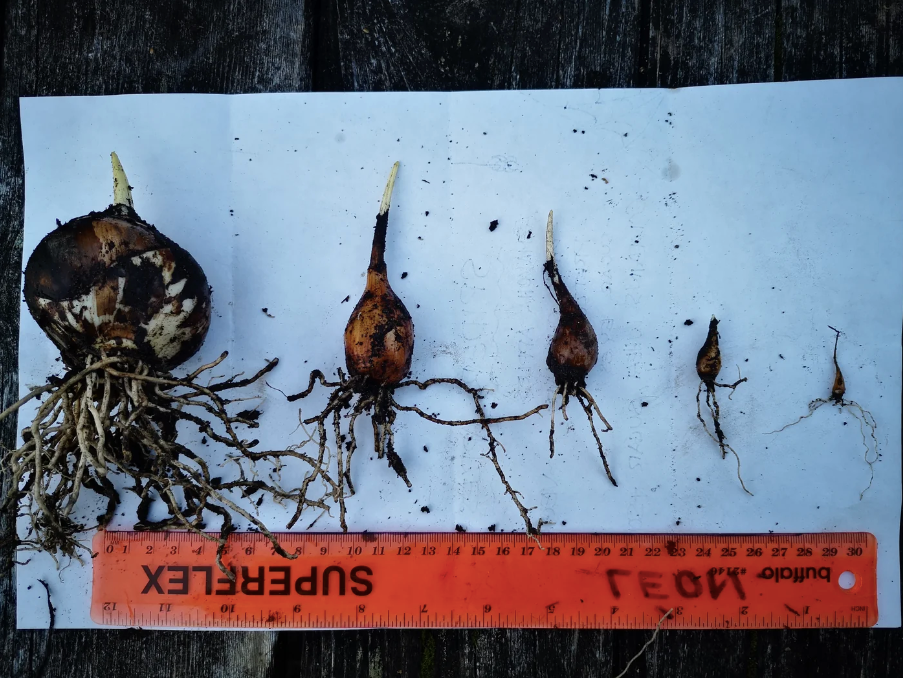
Great camas, called speenhw in Hul'q'umi'num', is an important food plant of Indigenous Peoples on the West Coast that was extensively cultivated and traded with inland nations. Both great and common camas are important food crops, with great camas making larger bulbs than the common species.
Camas is cultivated in fields with an overstorey of Garry Oak trees. The meadows need to be carefully tended and burned seasonally to keep shrubs from taking over. In many traditions, families owned specific patches of camas that they cultivated and harvested from. Local lore says that camas bulbs used to grow as large as your fist! Unfortunately it's rare to see bulbs of that size today. Camas is a plant that requires (or at least greatly benefits) from human relationships to grow well. Humans are a part of nature- let's participate!
Camas bulbs contain a healthy fibre called inulin. They need to be cooked long and slow to make them more digestible. Traditionally they have been cooked in pit ovens and slow cookers. Fermenting the bulbs like sunchokes may be an interesting preparation method to explore.
Camas makes showy periwinkle blue flowers, which are an important food source for many specialist pollinators. The plants like dry summers, and can tolerate shallow soils and wet clay soils in winter. The plants will die back in the summer. The young plants look like blades of grass and take several years to size up and flower when started from seed, but they are worth the wait!
I was hesitant to offer seeds of this variety because of its significance to Indigenous Peoples in the area. But after hearing some incredible presentations from Jared Qwustenuxun Williams (Quw'utsun chef, Indigenous food champion, and more), I felt empowered to offer these seeds in an attempt to encourage more people to grow this plant. What I heard from Qwustenuxun is that Indigenous foods should be more widely available to everyone living on these unceded Indigenous territories, but there is not the supply available to make this a reality. There should be restaurants and institutions serving these foods. He encouraged farmers and gardeners from all backgrounds to grow these plants, and make them available to chefs and restaurants. We need both supply and demand for these important Indigenous foods to make a resurgence in local cuisines. Be a part of it!
I have been experimenting with different ways to cultivate camas, with the hopes of making it available for the community to eat. If you have any insights into growing camas in a market garden context, please get in touch.
These seeds were grown by the wonderful folks at Satinflower Nursery in Victoria, BC, Coast Salish Territories of the W̱SÁNEĆ Peoples, as well as the Scia'new Territory and shared territories of T’Sou-ke, and lək̓ʷəŋən Peoples (Songhees and Xwsepsum). Please check out their other varieties. We are including this species in our catalogue in an effort to encourage people to grow perennial vegetables native to their region, since they require less or no irrigation or inputs.
Photos courtesy of Satinflower Nursery.
Growing Instructions
Growing Instructions
Shipping & Returns
Shipping & Returns
By placing an order, customers agree to the shipping & refund policies detailed on this page.
Local Pickup
Local Pickup is available for free at Baba Yaga's Kitchen on Swayne Road in Errington. Select "Pickup" at checkout. Pickup times are ONLY Monday to Wednesday, 10am-8pm. We will send you an email when your order is ready for pickup.
Please note that our farm sites are private residences and are not open to the public.
Shipping within Canada
We ship seeds in Canada via Canada Post's regular letter mail, which is an untracked service, and usually takes 1-4 weeks to arrive once we fulfill your order, but occasionally letter mail takes up to 6 weeks, especially to the Eastern provinces and rural areas.
Customers can now opt for tracked, express shipping options at checkout if you require faster delivery and/or tracking.
Larger bulbs and plants are usually sent via tracked flat rate box.
Shipping to the US
UPDATE FEB 2, 2026: WE ARE TAKING A BREAK ON ACCEPTING US ORDERS DUE TO ISSUES WITH USPS
Sign up to receive an email when we open US shipping again.
Shipping Internationally
International customers can select tracked or untracked shipping at checkout. The package will list the contents as "Garden Seeds". It is your responsibility to ensure you have the required import permit. We are not able to send any live plant materials internationally. Cicada Seeds will not be responsible for any orders held or confiscated by customs, or for any additional duties or tariffs placed on your order.
International shipping countries include: Hong Kong SAR, Ireland, Japan, Malaysia, Netherlands, Norway, Singapore, Spain, Sweden, Switzerland, United Arab Emirates, United Kingdom. (List updated Aug 31, 2026)
This list may change without notice. Sometimes Canada Post will not allow us to ship to certain countries due to wars or natural disasters, see this page for delivery service alerts.
Refund Policy
Refunds: We stand behind our seeds, so if for some reason you are not satisfied with your purchase, please reach out to us via email and we will do our best to make it right. Please note that shipping costs are non-refundable.
Cancelled orders: If you wish to cancel an order after purchasing, we may refund your order minus card processing and admin fees at our discretion. We do not accept returns on seeds or plants.
Refused orders: We cannot issue a refund if you refuse to accept or do not claim an order we've mailed to you, or made available for local pickup.
Incorrect addresses: Please double check your mailing address, and let us know ASAP if you've entered an incorrect address at checkout. We may need to charge for additional shipping fees to resend orders.
Ecologically Grown
Ecologically Grown
Seeds are grown ecologically without the use of chemical pesticides or fertilizers.